
Edibles are one of the most popular ways to consume cannabis, and one of the most misunderstood.
For many people, cannabis edibles 101 begins with uncertainty. How much should you take? How long does it take to feel anything? Why do some experiences feel stronger than expected?
Unlike smoking or vaping, edibles follow a different path through the body. That’s why understanding cannabis edibles effects before trying them matters. With the right expectations around dosage and timing, edibles can feel predictable and enjoyable.
At Kind Goods, we believe cannabis should feel approachable, not overwhelming. Clear guidance makes that possible.
Types of Cannabis Edibles
There are several cannabis edible types, and each fits a different preference or routine.
Common types of cannabis edibles include:
- Gummies
- Baked goods
- Beverages
- Candies
- Chocolate
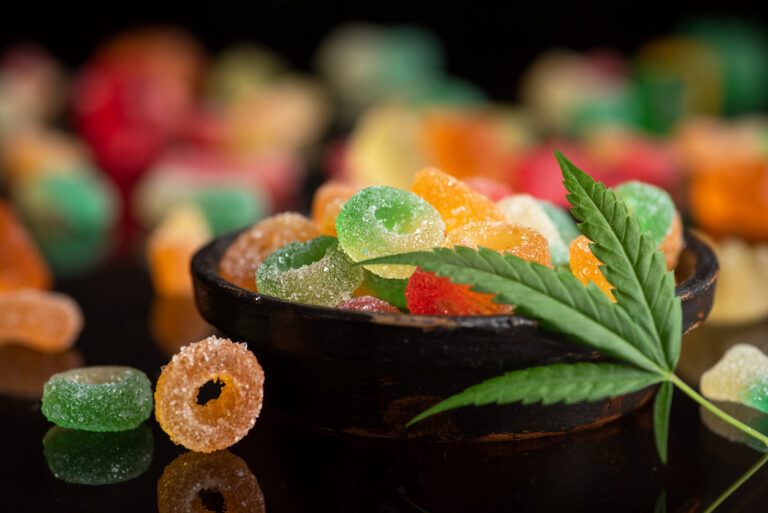
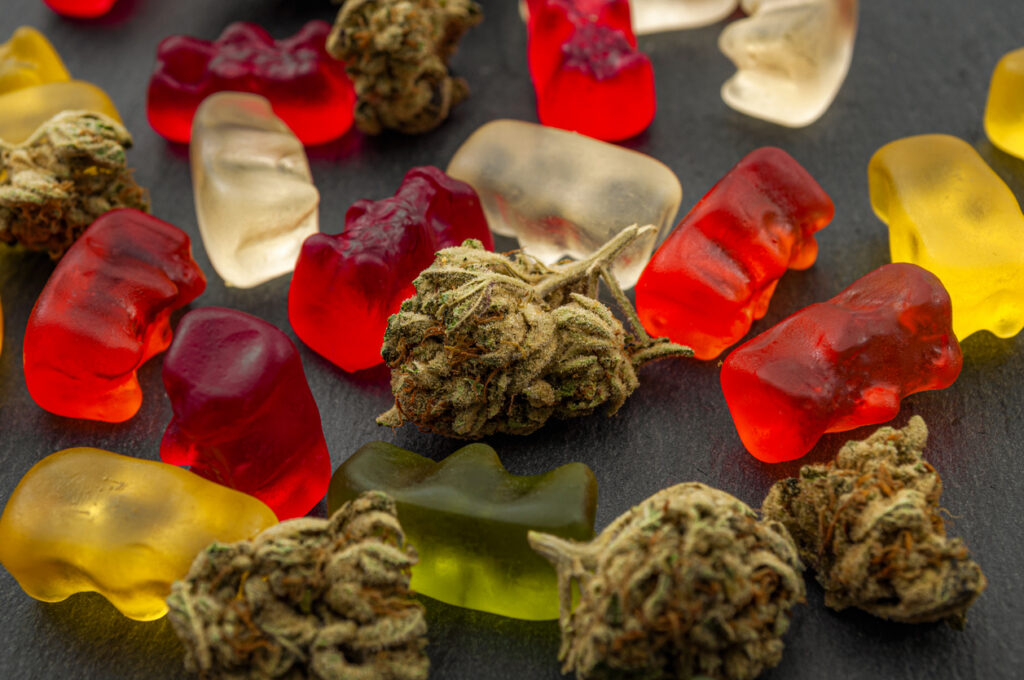
Edible cannabis products are popular because they’re discreet, easy to portion, and simple to use. Explore our current selection of edible cannabis products at Kind Goods to see what’s available near you.
Cannabis Drinks vs Edibles
There’s growing interest in cannabis drinks as a form of edibles. The effects of beverages may feel slightly different than edibles, depending on how they’re formulated. Some drinks are designed for faster absorption, which can lead to a quicker onset compared to traditional solid edibles.
Chocolates and gummies move through digestion, which means a slower start but longer-lasting effects vs drinking cannabis beverages.
Choosing between cannabis drinks and edibles often comes down to timing and preference.
Cannabis Tinctures vs Edibles
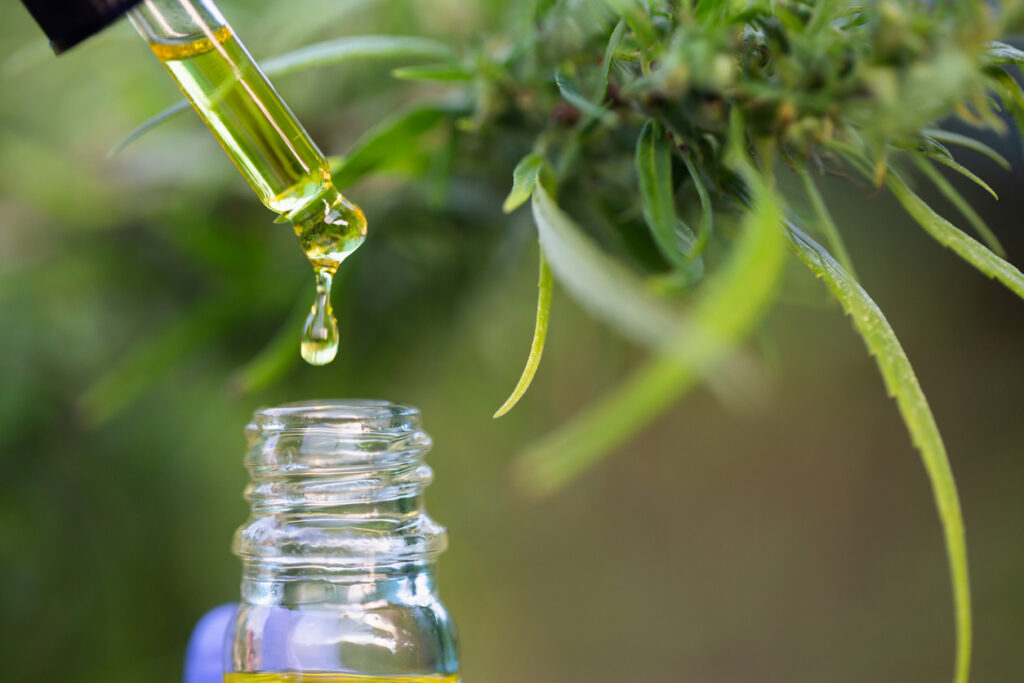
Although consumed orally, tinctures are slightly different from edibles in terms of absorption and effects. Tinctures are placed under the tongue, so they absorb more directly into the bloodstream and may work faster than edibles that have to move through digestion.
Dosage: Start Low, Go Slow
If there’s one rule with edibles, it’s this: start low and wait.
Since edibles take time to activate, the biggest mistake new consumers make is taking more too soon. Once effects build, they cannot be reversed; they simply need time to pass through your system.
A general cannabis edible dosage chart looks like this:
- 2.5–5 mg THC: Mild effects, often preferred by beginners
- 5–10 mg THC: Moderate effects for occasional consumers
- 10–20 mg THC: Stronger effects for experienced users
- 20+ mg THC: High-intensity effects for seasoned consumers
These ranges are guidelines, not guarantees. Remember: body chemistry, metabolism, tolerance, and whether you’ve eaten recently can all influence how a dose feels.
Some consumers use a cannabis edibles dose calculator to help clarify serving size, but patience remains the most important tool.
Onset Times & Duration
Edibles take longer to work than inhaled cannabis because they must be digested before entering the bloodstream. Most people begin to feel effects between 30 and 90 minutes. However, in some cases, it may take up to two hours, depending on metabolism and recent meals.
The effects of cannabis edibles can last 4 to 8 hours or more. Many people describe the experience as deeper and more body-focused, because THC is processed by the liver into a compound that can feel stronger and last longer.
Key Benefits of Cannabis Edibles
There are several widely discussed cannabis edibles benefits, especially for people who prefer not to inhale cannabis, such as:
- Duration: Since they are digested, effects typically last longer than smoking or vaping. This longer window is why some consumers explore cannabis edibles for pain, cannabis edibles for anxiety, or cannabis edibles for insomnia as part of their personal routine.
- Discreet: Edibles are easy to incorporate into different lifestyles because they are far more discreet than vaping or smoking.
- Variety: From edible cannabis chocolate to infused beverages, the variety of options makes it easier to find a format that feels comfortable for anyone.
Side Effects of Edible Cannabis
Edibles can feel stronger than expected, especially if the dose is too high or taken too quickly. Common edible cannabis side effects include:
- Dry mouth
- Dizziness
- Delayed onset
- Effects that build gradually over time
Since activation takes longer, impatience is the most common issue consumers face with edibles. Taking an additional serving before the first dose has fully developed can lead to discomfort.
If someone consumes more than intended, the safest approach is to stay calm, drink water, rest in a comfortable setting, and allow time for the effects to fade. The experience may feel intense, but it’s important to remember that it is temporary.
Edibles Best Practices for Beginners
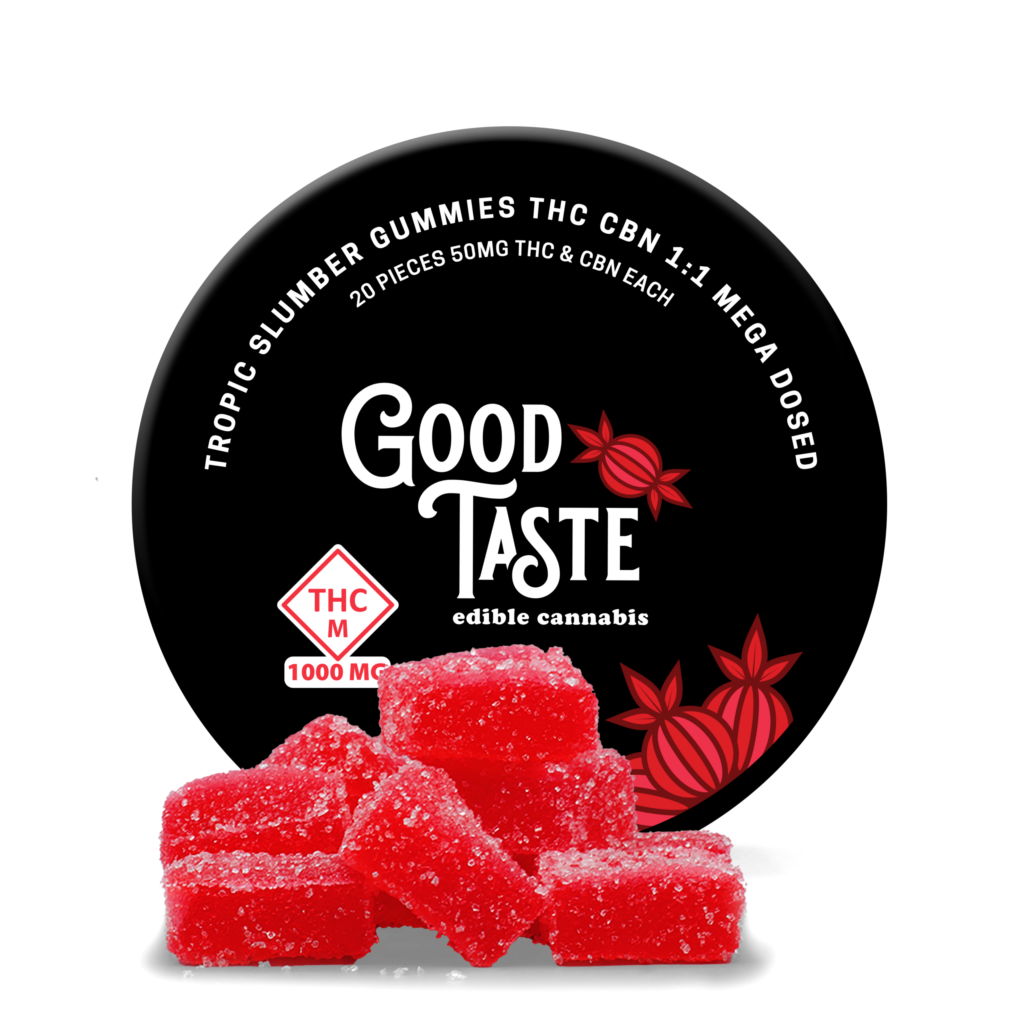
Choose a format that makes dosing simple. Gummies and cannabis edible chocolate are often easiest because they’re pre-portioned and clearly labeled.
Start with a small amount and wait at least 90 minutes before deciding whether to take more. Give your body time to respond.
Your environment also matters. A relaxed setting and an open schedule can make the experience more comfortable, especially for first-time users.
If you’re unsure about strength or format, Kind Goods budtenders are available to guide you in a way that feels supportive and easy to understand.
Choosing Edibles with Confidence
Edibles follow their own rules. They take longer to activate, last longer in the body, and require thoughtful dosing. Understanding serving sizes, onset times, and responsible use removes much of the uncertainty. With patience and realistic expectations, edibles can be a consistent and enjoyable option.
Kind Goods was built around making cannabis approachable and accessible. Customers can explore options confidently, ask questions, and take their time deciding what fits best. Education is central to what we do. Whether you’re new to edibles or refining your routine, our team focuses on clarity, transparency, and thoughtful guidance.
Explore edible cannabis with confidence – visit a Kind Goods dispensary or browse online to find chocolates, candies, and other edibles perfect for your needs.
Disclaimer: This content is for educational purposes only. Cannabis affects everyone differently. Consult with your healthcare provider before using cannabis for medical or wellness purposes.