
Many cannabis shoppers walk into a dispensary focused on one number: THC percentage.
It’s easy to assume the higher the percentage, the stronger or better the high. But that belief oversimplifies how cannabis actually works. Understanding the THC percentage meaning requires looking beyond a single lab result.
THC plays a major role in psychoactive effects, but it is only one part of a bigger system that includes terpenes, other cannabinoids, product freshness, and your individual biology.
At Kind Goods, education comes first. When customers understand what THC percentage means, they make more confident, informed choices, instead of chasing the highest number on the shelf.
What Does THC Percentage Really Mean?
THC stands for tetrahydrocannabinol, the primary psychoactive compound in cannabis that is responsible for the “high” people associated with marijuana.
The THC percentage in flower represents how much THC is present by weight. For example, a flower labeled 20% THC contains 20% THC by dry weight.
Licensed labs test each batch of cannabis before it reaches dispensaries. The result becomes the listed cannabis THC levels on the packaging.
Here is where confusion often happens: the percentage reflects concentration, not guaranteed intensity of experience. That distinction is central to explaining THC potency.
A higher percentage means more THC is present in the product, but it does not guarantee a stronger or better experience for every person.
Why Higher THC Doesn’t Always Mean a Better Experience
Does higher THC mean a better high? This question often comes up when customers speak with budtenders.
The answer depends on multiple variables.
Tolerance plays a significant role. Someone who consumes regularly may respond differently than someone new. Frequency of use changes how the body reacts to THC.
The consumption method also affects how marijuana potency feels. Smoking and vaping work quickly, while edibles take longer to kick in and may feel stronger or last longer because your body processes THC differently when you eat it.
Individual metabolism and brain chemistry matter as well. Cannabis interacts with your body’s internal system that responds to cannabinoids, and that system works a little differently in everyone.
There is also the relationship between cannabinoids. Comparisons of cannabis THC vs CBD concentrations demonstrate how CBD can influence how THC feels. Not to mention, balanced THC and CBD products may create a smoother experience than THC alone.
This is where THC content and effects become even more important to understand. Two strains with similar THC percentages can feel very different depending on terpene profile and cannabinoid balance.
All of these variables are exactly why high THC isn’t everything.
Beyond THC: Other Factors That Influence Cannabis Quality
Freshness & Storage
Cannabis changes over time. Exposure to air, heat, and light can reduce both cannabinoids and terpenes.
Even flowers with strong cannabis THC levels can lose potency and aroma if not stored properly. Proper curing and sealed storage help preserve both flavor and effect.
Fresh products often deliver a better experience than older flowers with a higher percentage. In fact, this is what makes deli-style packaging and dispensary experiences potentially even better than traditional options.
Strain Genetics
Genetics determine how a plant produces cannabinoids and terpenes. Some strains are bred for high THC, while others are known for balanced profiles.
A simple weed thc chart may show THC ranges, but genetics explain why two strains with similar numbers can feel different. Certain moderate-THC strains produce noticeable effects because of their terpene content and how the plant’s compounds work together.
Strong genetics are about consistency, not just high numbers.
Consumption Method
How you consume cannabis directly affects intensity and duration. Smoking or vaping produces effects quickly and they fade sooner. Edibles take longer to activate but often last longer and may feel stronger because of how the body processes them.
This difference shapes how people experience marijuana potency, even when using the same flower.
Personal Biology
Every person’s body responds differently to cannabis. Age, tolerance, body chemistry, and metabolism all influence how it feels. Two individuals consuming identical flowers may describe completely different experiences.
That variability reinforces that explanations about THC levels in weed must include context beyond lab results.
Finding the Right THC Percentage for You
Choosing cannabis based only on the highest number can lead to uncomfortable experiences. Understanding how to choose weed based on THC level starts with knowing your own tolerance. New consumers are generally better served by starting lower and increasing gradually over time.
Here is a general guide for cannabis users on THC percentages for cannabis flower:
Low THC (5–10%)
This range is often best for beginners or those seeking mild effects.
Lower percentages can provide subtle relaxation or light uplift without overwhelming intensity. It allows new consumers to learn how their body responds.
Moderate THC (10–20%)
This range works well for many consumers.
Moderate THC levels often provide noticeable effects while remaining manageable. When learning how to read THC percentage on cannabis, this range usually offers a balanced experience between intensity and control.
High THC (20%+)
Higher percentages are typically chosen by experienced consumers.
These products may feel stronger and more immediate. However, the experience still depends on terpenes, consumption method, and tolerance. Higher THC does not automatically mean a better outcome.
Other THC Levels
For other products, like vapes and concentrates, you’ll see much higher percentages than flower, typically around 70-90%.
With edibles, the label will list THC in milligrams (mg), because you’re consuming a specific measured dose rather than inhaling a portion of the product. In simple terms, percentages describe potency by concentration, while milligrams on edibles tell you the exact amount of THC you’ll ingest per serving or per package. A single serving edible is commonly 2.5–10 mg of THC, with many packages capped at 100 mg total THC.
How to Read THC Labels at the Dispensary
Cannabis labels contain more than just a THC number. Most labels list:
- THC percentage
- CBD percentage
- Total cannabinoids
- Sometimes terpene information
When comparing products, look beyond the highest THC value; consider strain lineage, aroma, packaging date, and overall freshness.
If lab results feel confusing, ask a Kind Goods budtender. Our team is trained to explain what the numbers represent and how they may translate into real-world effects.
Education makes label reading easier and more useful.
The Role of Terpenes & the Entourage Effect
Terpenes are aromatic compounds found in cannabis and many other plants. They influence scent and flavor, but they also interact with cannabinoids in ways that shape how a strain feels.
For example, limonene is often associated with uplifting characteristics, while myrcene is commonly linked to relaxing qualities.
This interaction between cannabinoids and terpenes is often called the entourage effect. It helps explain why two strains with identical THC percentages can produce different experiences.
Learning about terpenes makes it much easier to evaluate cannabis beyond THC percentage alone.
The Kind Goods Approach
At Kind Goods, THC percentage is part of the conversation, not the entire conversation.
We emphasize clear labeling and transparency so customers can see cannabinoid and terpene information. Our trained budtenders at each of our dispensaries explain effects in practical terms, not just numbers.
Since we offer a deli-style flower experience, customers can see and smell their options before selecting. Freshness, education, and approachability are central to how we operate.
Our goal is simple: help customers make informed decisions based on quality, not just percentages.
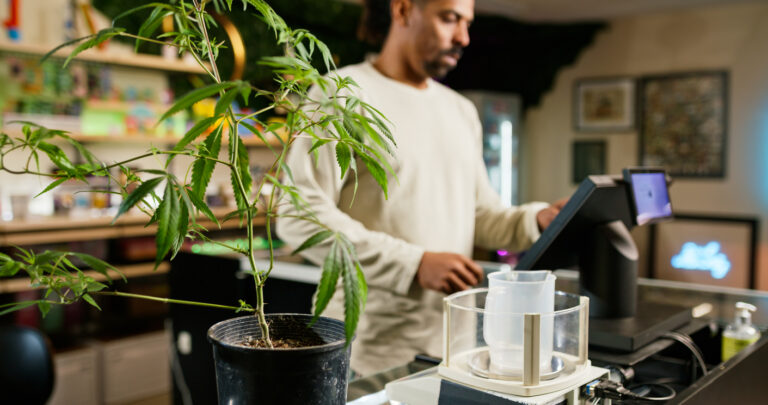
Beyond THC Percentages
THC percentage is one piece of the cannabis experience, not the whole picture.
Terpenes, cannabinoid balance, freshness, genetics, consumption method, and personal biology all shape how cannabis feels. Looking at these factors together leads to better outcomes than focusing on a single number.
Explore terpene profiles, consider cannabinoid ratios, and pay attention to how different strains align with your preferences.
Visit Kind Goods to discover quality cannabis flower tailored to your needs.