
Most cannabis conversations start and end with THC and CBD. Those two cannabinoids matter, but they are only part of the story. The reason cannabis affects your body the way it does comes down to something already inside you: the endocannabinoid system.
The endocannabinoid system, or ECS, is the internal network that cannabis interacts with every time you consume it. Understanding how it works does not just satisfy curiosity. It changes how you shop, what you look for in a product, and why the same product can feel completely different from one person to the next.
What Is the Endocannabinoid System?
The endocannabinoid system is a biological network of receptors, naturally produced compounds, and enzymes found throughout the human body. It exists in everyone, whether they use cannabis or not.
Think of it as a lock-and-key system. The receptors are the locks, spread across the brain, organs, immune cells, and nervous system. The keys are compounds called endocannabinoids, which the body produces naturally to activate those receptors when needed.
The main components of the ECS:
- CB1 receptors — Found primarily in the brain and central nervous system. These are the receptors most closely associated with the psychoactive effects of THC.
- CB2 receptors — Found mainly in immune tissue and peripheral organs. More closely tied to inflammation and immune response.
- Endocannabinoids — The body’s own cannabinoids. The two most studied are anandamide, often called the bliss molecule, and 2-AG (2-arachidonoylglycerol), which plays a role in regulating pain and immune function.
- Enzymes — Break down endocannabinoids after they have done their job, keeping the system in balance.
What Does the Endocannabinoid System Do?
The ECS is a regulatory system, so its primary job is maintaining homeostasis. In other words, it is responsible for keeping the body’s internal environment stable and balanced, regardless of what is happening externally.
It covers a wide range of functions, including pain perception, mood regulation, sleep cycles, appetite, memory, and immune response. When something in the body becomes out of balance, the ECS works to restore it.
When you consume cannabis, phytocannabinoids, plant-based cannabinoids like THC and CBD, enter the body and interact with the same receptors the ECS uses naturally. That is why cannabis can influence how you feel, sleep, eat, and manage discomfort.
How Cannabis & the ECS Interact
First off, THC and CBD interact with the ECS in different ways, which is a big part of why they produce different effects and why it’s important to understand the composition of any cannabis product you consume.
THC binds directly to CB1 and CB2 receptors. Its strong affinity for CB1 receptors in the brain is what produces the psychoactive effects associated with cannabis use. It essentially mimics the body’s own endocannabinoids but with a much stronger and longer-lasting effect.
CBD does not bind directly to CB1 or CB2 receptors in the same way. Instead, it influences the ECS indirectly, modulating receptor activity and slowing the breakdown of the body’s own endocannabinoids. This is part of why CBD can support calm and balance without producing a high.
Why Two People Respond Differently to the Same Product
ECS variation is one of the most important things to understand about cannabis. Every person’s endocannabinoid system is slightly different. Receptor density, endocannabinoid production levels, and enzyme activity all vary from person to person based on genetics, lifestyle, and other factors.
This is why one person can feel deeply relaxed from a moderate dose, while another feels very little from the same product. It is not a matter of one person doing it right and the other doing it wrong; it is a reflection of how individual the ECS actually is.
Why the Endocannabinoid System Matters for Everyday Cannabis Use
Understanding the ECS makes the effects of cannabis less unpredictable and more purposeful. Here is how it connects to the experiences consumers most commonly seek.
Pain & Inflammation
The ECS plays a direct role in how the body processes pain signals. CB1 receptors in the central nervous system influence pain perception, while CB2 receptors in immune tissue regulate inflammation. When cannabis interacts with these receptors, it may help modulate both the sensation of pain and the inflammatory response driving it.
For consumers who use cannabis with physical discomfort in mind, understanding this connection helps explain why certain products and consumption methods may work better than others for their specific needs.
Mood & Anxiety
Anandamide, one of the body’s primary endocannabinoids, is closely tied to mood regulation. CBD’s ability to slow the breakdown of anandamide is one reason it is associated with reduced anxiety and a more balanced mood state.
THC also influences mood through CB1 receptors, but its effects on anxiety are dose-dependent. At lower doses, it may ease tension. At higher doses, it can increase anxiety in some consumers. Proper dosing matters significantly when using cannabis for mood-related goals.
Sleep & Appetite
The ECS is involved in regulating both sleep cycles and hunger signals. CB1 receptor activity influences the timing and quality of sleep, and endocannabinoid levels naturally fluctuate throughout the day, affecting when we feel tired or hungry.
THC has a noticeable effect on both sleep onset and appetite. CBD may support sleep more indirectly by reducing anxiety and promoting relaxation rather than acting on sleep receptors directly.
Factors That Influence Your Endocannabinoid System
The endocannabinoid system (ECS) is not static. Several factors shape how well it functions and how your body responds to cannabis as a result; here are some of the most significant ones:
- Genetics. Some people are born with more or fewer ECS receptors, or with variations in how their enzymes break down endocannabinoids. Genetic variation in CB1 and CB2 receptors plays a meaningful role in how individuals respond to cannabis, which partly explains why cannabis tolerance and sensitivity vary so widely across individuals.
- Stress. This has a significant impact on ECS function. Chronic stress can deplete endocannabinoid levels over time, which may reduce the system’s ability to regulate mood, sleep, and pain effectively.
- Diet and exercise. Both diet and exercise directly impact endocannabinoid levels and overall ECS function. Omega-3 fatty acids, found in foods like fish and flaxseed, support healthy endocannabinoid activity. Regular physical activity is also associated with increased anandamide levels, which is part of what produces the well-known “runner’s high.”
- Sleep quality and overall health. A body under chronic stress or running on poor sleep is working with a compromised regulatory system, which can affect how cannabis feels and how much benefit you get from it. The ECS plays a direct role in sleep regulation, and sleep disruption can alter endocannabinoid activity, which is why the quality of your rest matters more than most people realize.
How to Support Your Endocannabinoid System & Choose the Right Cannabis Products
Understanding the endocannabinoid system (ECS) gives you a more useful framework for choosing cannabis products. These practical takeaways can help you shop with more intention.
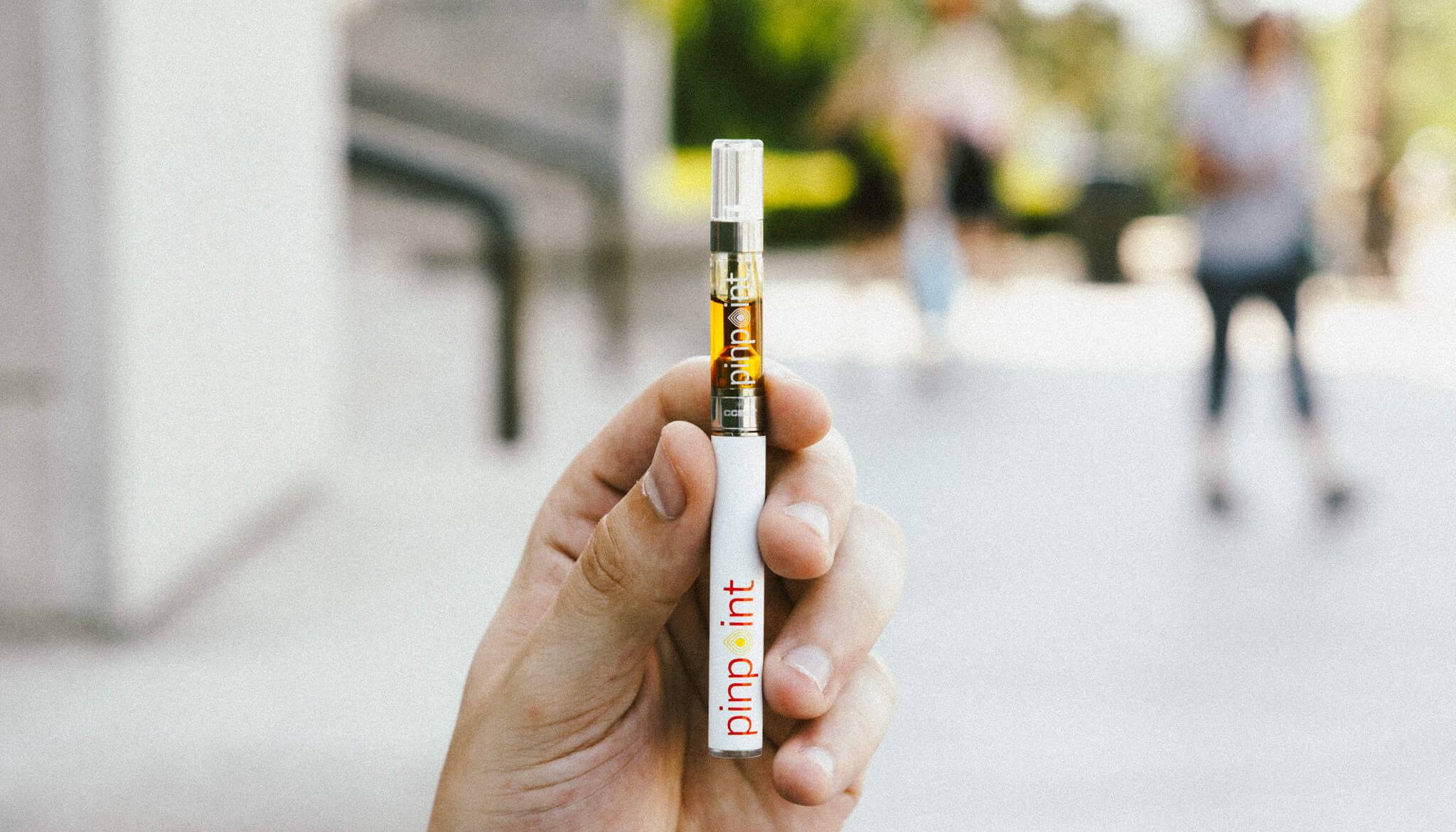
- Match the product to the goal. Different product types interact with the ECS in different ways and at different speeds. Flower and vaporizers deliver cannabinoids quickly through inhalation, producing faster effects. Edibles are processed through the digestive system, resulting in a slower onset but a longer duration. Tinctures offer a middle ground with more controlled, measurable dosing.
- Start low and pay attention. Since every ECS is different, there is no universal correct dose. Starting with a small amount and giving your body time to respond tells you far more about what works for you than starting high and overloading the system.
- Look beyond THC percentage. THC is one input among many. Terpenes, CBD content, and the overall cannabinoid profile of a product all influence how it interacts with your ECS. A product with a rich terpene profile and moderate THC may deliver a more satisfying experience than something with maximum THC and little else.
- Ask questions at the dispensary. A knowledgeable budtender can help you think through which products are most likely to align with your ECS-related goals. Bringing specific context, like what you are hoping to feel, what has or has not worked before, makes that conversation much more useful.
The more familiar you are with how your endocannabinoid system (ECS) works, the easier it becomes to make choices that actually fit your body and your goals. Every product type, dose, and cannabinoid profile tells you something. Knowing how to read that information makes all the difference.
How Kind Goods Can Help
Shopping for cannabis is easier when you have someone who understands the science behind it. Kind Goods budtenders are trained to help customers connect product choices to real outcomes, including how different products interact with the ECS.
Our team can walk you through the cannabinoid and terpene profiles of the products we carry, help you understand what the numbers on a label actually mean for your body, and work with you to match the right product to your specific goal. Whether you are new to cannabis or looking to be more intentional about what you buy, our team at any Kind Goods dispensary location is always happy to help.
Connect with our virtual budtender for personalized guidance from wherever you are.
Know Your ECS, Know Your Cannabis
Cannabis makes a lot more sense once you understand the endocannabinoid system (ECS). It is the internal network your body already uses to regulate mood, pain, sleep, and appetite, and it is the reason cannabis works the way it does. Every product you try, every dose you adjust, and every effect you feel connects back to how your ECS responds.
The best cannabis experiences come from informed choices. Understanding your ECS helps you move past surface-level decisions like chasing the highest THC percentage and start paying attention to what your body is actually telling you. That knowledge carries into every dispensary visit and gets more useful over time.
Have questions about what might work with your body? Visit any of our Kind Goods dispensary locations or reach out to us. We are always happy to help you find the right fit!
Cannabis affects everyone differently and interacts with your body’s endocannabinoid system uniquely. This content is for educational purposes only. Always consult your healthcare provider before using cannabis for wellness or medical purposes.