If you have ever picked up a cannabis product, flipped it over, and seen “THCa” on the label, chances are you have wondered what it actually means.
THCa is one of the most commonly mentioned compounds in cannabis and also one of the most misunderstood. As interest in THCa continues to grow, so does the amount of confusion and misinformation surrounding what it actually does.
THCa and THC are not the same thing, even though they are closely related. Understanding the difference does not require a chemistry degree. Once you know the basics, cannabis labels start making a lot more sense.
This guide breaks down what THCa is, how it differs from THC, and why any of this matters the next time you are standing at the dispensary counter reading a label.
What Is THCa?
THCa stands for tetrahydrocannabinolic acid. It is the naturally occurring precursor to THC found in raw, unheated cannabis.
In its raw form, THCa is non-intoxicating. It will not get you high.
Almost all cannabinoids start out in an acidic form before being converted into their more active counterparts. THCa is simply the acidic version of THC, and the two behave very differently in the body until heat changes the equation.
What Is the Difference Between THCa & THC?
THCa and THC are closely related but behave very differently in the body:
- THCa is non-intoxicating, found in raw, unheated cannabis, and requires heat to activate
- THC is psychoactive, produced when THCa is heated through smoking, vaping, or cooking
The reason raw cannabis does not get you high comes down to chemistry. THCa has an extra carboxyl group in its molecular structure, making it too large to bind effectively to the brain’s CB1 receptors. Once heat removes that carboxyl group, THC is produced and binds to those receptors, producing the intoxicating effect.
You may also come across Delta-8 and Delta-9 on cannabis labels. Delta-9 THC is the primary psychoactive compound in cannabis. Delta-8 also produces a high, though generally considered milder. Neither is the same as THCa, which in its raw form produces no intoxicating effects.
THCa vs THC
Understanding the difference between THCa and THC comes down to a few key factors. Here is a quick side-by-side comparison to help you keep them straight:
Aspect | THCa | THC |
Found in | Raw, unheated cannabis | Heated cannabis |
Intoxicating | No | Yes |
Activates with heat | Yes, converts to THC | Already active |
Binds to CB1 receptors | No | Yes |
Produces a high | No | Yes |
The biggest takeaway here is simple: heat is the only thing separating THCa and THC.
What Is Decarboxylation?
Decarboxylation is the process that converts THCa into THC.
It happens when heat is applied to cannabis through:
- Smoking
- Vaping
- Baking or cooking
Not all THCa converts during this process. The industry-standard conversion rate is approximately 87%, meaning a small percentage does not convert. Therefore, if a label shows 25% THCa, the resulting THC after consumption will be slightly less.
THCa Forms
THCa comes in several forms, each consumed differently and with its own distinct experience.
THCa Flower
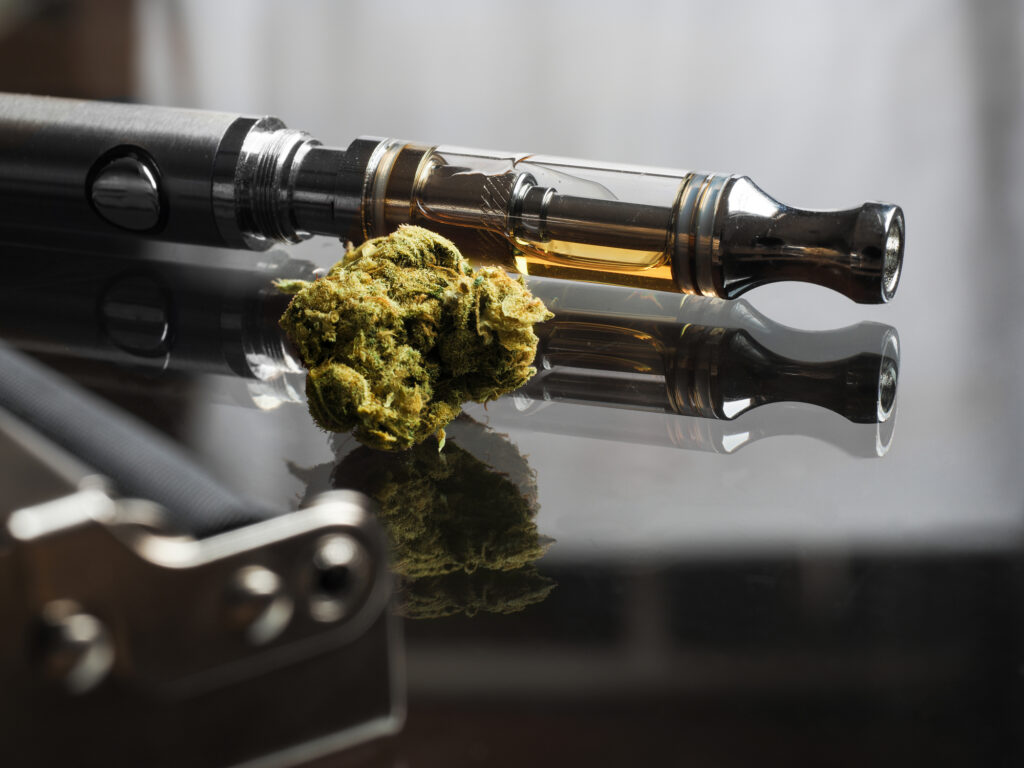
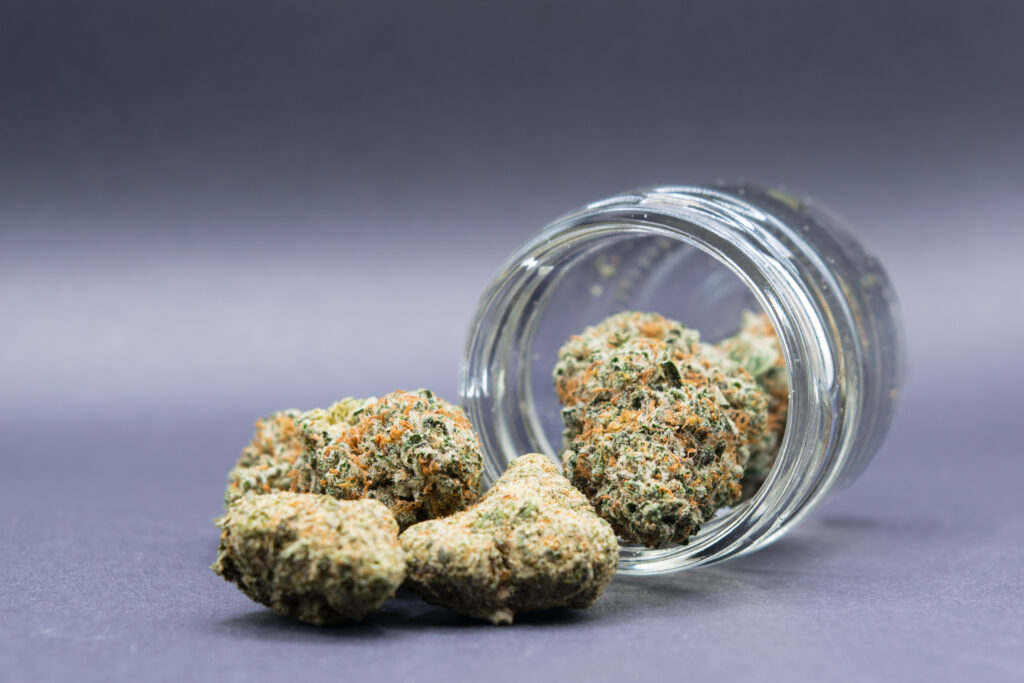
THCa flower is raw cannabis, the buds you would find at a licensed dispensary. It is the most common form of THCa available. When you smoke or vape flower, the heat triggers decarboxylation on the spot, instantly converting THCa into THC and producing the effects associated with cannabis consumption.
THCa Concentrates & Diamonds
THCa is also available in concentrates, including a crystalline extract known as diamonds. THCa diamonds are made by extracting THCa from the cannabis plant using heat and pressure, resulting in one of the most potent cannabis products available. They are most commonly used for dabbing. Like flower, applying heat converts the THCa into THC.
THCa in Edibles & Tinctures
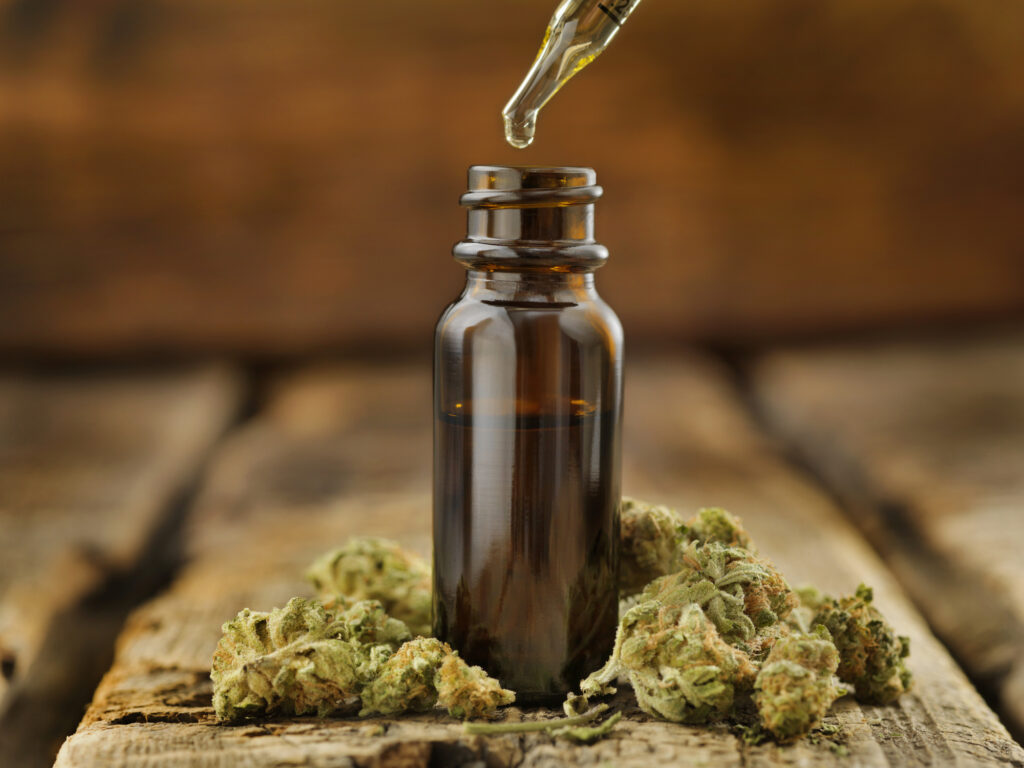
When it comes to edibles and tinctures, you will typically see THC listed on the label rather than THCa. This is because decarboxylation has already occurred during the production process. The cannabis was heated before being infused into the product, so the THCa has already converted to THC by the time it reaches the shelf.
No matter the format, the principle is the same: THCa needs heat to become THC. The product just determines how and when that happens.
Does THCa Get You High?
Straight answer is, in its raw form, no.
THCa cannot bind to the brain’s CB1 receptors the way THC does, so consuming it without heat will not produce intoxication.
Long answer: once heat is applied, yes.
Smoking or vaping converts THCa into THC, which does produce psychoactive effects. The same compound that is non-intoxicating in raw flower becomes intoxicating the moment heat is introduced.
The Real THCa Effects
Since THCa is non-intoxicating, so it will not produce a high. Once heated, THCa becomes THC and the experience shifts. Most people associate this with:
- Relaxation and physical ease
- A shift in mood
- Euphoria
- Varying degrees of mental calm
How it all plays out depends on the product, proper dosing, individual tolerance, and terpene profile.
Side Effects
Raw THCa is generally well tolerated. For most people, consuming it in its unheated form is a non-event. Some may notice mild nausea or stomach upset, but significant side effects are uncommon.
Once THCa converts to THC through heat, the side effects become those associated with THC.
Starting low and going slow is always the right call, especially with a new product or strain.
Why THCa Percentage Matters on a Cannabis Label
Most cannabis flower labels list THCa percentage, not THC. This is because the flower has not been heated yet. The THCa is still in its raw, unactivated form. Once consumed, decarboxylation converts that THCa into THC.
This matters because the THCa percentage is the most accurate indicator of how potent a product will actually be once consumed. A product showing 28% THCa will be significantly more potent than one showing 14% THCa, even if neither label explicitly states a THC percentage.
Without this understanding, it is easy to misread a label and either underestimate or overestimate a product’s strength. Knowing that THCa becomes THC when heated gives you a much more accurate picture of what you are choosing and helps you compare products with confidence.
How Kind Goods Can Help You Navigate THCa
Reading cannabis labels can feel like a lot at first, but it does not have to be. At Kind Goods, our budtenders are trained to help you understand exactly what you are looking at, from THCa percentages to terpene profiles to cannabinoid ratios.
Our deli-style experience means you can see, smell, and choose your flower in person, with a knowledgeable team member right there to walk you through your options. Whether you are trying to decode a label or just figuring out where to start, we are here to make the process feel easy and approachable.
Shop With Confidence at Kind Goods
THCa is not something to be intimidated by. It is the raw, unactivated form of THC that exists in cannabis before heat changes it. Understanding that one fact- that THCa becomes THC when heated- gives you a meaningful edge when reading labels, comparing products, and making choices that are right for you.
The next time you pick up a product and see a THCa percentage on the label, you will know exactly what it means and how to use that information. And if you ever have questions, the Kind Goods team is always happy to help.
Try our Virtual Budtender for expert guidance from anywhere you are.