
More people than ever are turning to cannabis as part of their wellness toolkit. In Missouri and across the country, adults living with anxiety and chronic pain are seeking alternatives to traditional treatments, and cannabis is increasingly seen as an option worth exploring.
Anxiety and chronic pain rarely travel alone. They often co-exist and reinforce each other, which can significantly impact quality of life. This is one reason cannabis has captured so much attention as a potential source of relief.
This guide explores how cannabinoids, terpenes, and mindful use can support relief. At Kind Goods, our goal is to make cannabis education approachable and empowering. Whether you are just beginning to explore cannabis or looking to refine an approach that already works for you, we hope this serves as a helpful and honest starting point.
Understanding Anxiety & Chronic Pain
Chronic pain is generally defined as persistent pain lasting longer than three months. It affects more than 50 million adults in the United States, roughly 20% of the population. Additionally, anxiety disorders are the most common mental health concern in the United States, with over 40 million adults, about 19.1%, affected.
Anxiety and chronic pain are more connected than most people think. Ongoing pain can cause stress and tension, while long-term anxiety makes the body more sensitive to pain. This creates a cycle that makes both health issues harder to manage. People with chronic pain are much more likely to have anxiety disorders, and vice versa.
Cannabis & the Endocannabinoid System
Cannabis works differently from many traditional treatments because of how it interacts with the endocannabinoid system (ECS), a network the body already uses to regulate pain and mood. This system is made up of receptors and natural compounds found throughout the brain and body. It helps control mood, stress, sleep, immune response, and how we feel pain.
There are two main types of cannabinoid receptors:
- CB1 (Cannabinoid Receptor Type 1) — found mostly in the nervous system
- CB2 (Cannabinoid Receptor Type 2) — found mostly in immune cells
Both respond to the body’s own endocannabinoids and to plant-based cannabinoids, like THC and CBD.
When the ECS is affected by long-term illness, injury, or stress, it can become harder to manage mood and pain. Cannabis compounds interact with these receptors and may help restore balance. Because of this, there is growing interest in how cannabis may affect anxiety and pain together, instead of addressing them as separate problems.
How Cannabis May Help with Anxiety
Cannabis does not affect everyone the same way, especially when it comes to anxiety. Learning how THC and CBD work is a helpful first step if you want to use cannabis for stress or anxiety relief.
THC & Anxiety
THC (tetrahydrocannabinol) is the primary psychoactive compound in cannabis, and its relationship with anxiety is closely tied to dosage. Low doses may reduce tension and stress, while higher doses can increase anxiety or cause unease in some people. This makes gradual, careful dosing especially important for anyone using cannabis with anxiety in mind.
For those sensitive to THC’s psychoactive effects, products with a balanced THC-to-CBD ratio can help moderate the experience. Many users also find that very small amounts, often called microdosing, provide meaningful stress relief without unwanted side effects.
CBD & Anxiety
CBD (cannabidiol) works differently. It’s non-intoxicating and has received considerable attention for its potential to ease anxiety. It is thought to influence serotonin receptors in the brain, specifically the 5-HT1A receptor, which plays a key role in mood regulation. CBD may also soften some of THC’s more stimulating effects, which is why CBD-forward or balanced products are often recommended for anxiety-related use.
Individual responses do vary. Consistent, low-dose use over time tends to produce more reliable results than occasional or high-dose approaches.
How Cannabis May Help with Chronic Pain
Cannabis has become one of the most talked-about options for chronic pain relief, with substantial evidence supporting its effectiveness in adults.
Cannabinoids like THC, CBD, and CBG interact with the body’s pain pathways in different ways. THC alters how pain signals are processed in the brain and spinal cord, CBD reduces inflammation and interacts with receptors involved in pain sensation, and CBG is being explored for its potential anti-inflammatory properties.
Certain terpenes in cannabis may also play a role in pain relief. Caryophyllene binds to CB2 receptors and may help reduce inflammation, while Myrcene is associated with muscle relaxation and physical calm, both of which can be meaningful for people managing chronic discomfort.
Here are just some of the types of chronic conditions that people often try to manage associated pain from with cannabis:
Arthritis
Arthritis involves joint inflammation and stiffness, which can lead to persistent discomfort and reduced mobility. The CB2 receptor plays a key role in how cannabinoids interact with inflammation and immune function, which is why cannabinoid-rich products have drawn interest for arthritis support. Since arthritis symptoms can vary widely, some people experiment with different cannabinoid ratios to find a product that suits their needs.
Topical options like balms and salves are particularly popular for targeted joint relief, without psychoactive effects.
Nerve Pain
Nerve-related pain, also known as neuropathic pain, can feel sharp, burning, or tingling, and it can sometimes be difficult to manage because it originates from nerve signaling rather than tissue injury. Some cannabinoids may influence how nerve signals are transmitted in the body, which has led some individuals to explore products containing both THC and CBD for a more balanced experience.
It is worth noting that the evidence in this area is still developing, and results can vary significantly from person to person. As a result, starting low and working with knowledgeable staff to find the right product and delivery method is especially important for those managing nerve-related conditions.
Muscle Tension
Muscle tension can result from stress, overexertion, or chronic conditions affecting the nervous system. Cannabis products that promote relaxation may help some individuals unwind or feel more comfortable after physical activity. Terpenes, such as myrcene, are often associated with relaxation and rest, and strains with these profiles are commonly sought out by those looking for physical calm alongside pain relief.
While individual results vary, many consumers find that consistent use over time produces more noticeable comfort than occasional, high-dose approaches.
The Role of Terpenes in Anxiety & Pain Management
Terpenes are the aromatic compounds found in cannabis and in many other plants that contribute to flavor, scent, and potentially, therapeutic effect. Terpenes may enhance or modify the way cannabinoids interact with the body, a concept sometimes referred to as the “entourage effect.”
Here are a few terpenes particularly relevant to anxiety and pain management:
- Linalool — Found also in lavender, linalool is associated with calming, anti-anxiety effects and may support stress relief and relaxation.
- Caryophyllene — One of the few terpenes that interacts directly with cannabinoid receptors, caryophyllene is associated with anti-inflammatory properties and may help with pain management.
- Myrcene — The most commonly found terpene in cannabis, myrcene is linked to muscle relaxation, sedation, and rest, making it particularly relevant for both pain and anxiety-driven sleep issues.
- α-Pinene — Associated with alertness and may help counteract some of the memory impairment sometimes linked to THC.
- D-Limonene — Found in citrus plants, limonene is associated with mood elevation and may have anxiolytic (anti-anxiety) properties.
When exploring products, ask a budtender about terpene profiles, not just THC and CBD percentages. A well-matched terpene profile can meaningfully shape your experience.
Choosing the Right Cannabis Product
There isn’t one perfect cannabis product for anxiety or chronic pain. The best choice depends on your comfort, lifestyle, and the type of relief you want. Here’s a look at the most common options:
Flower
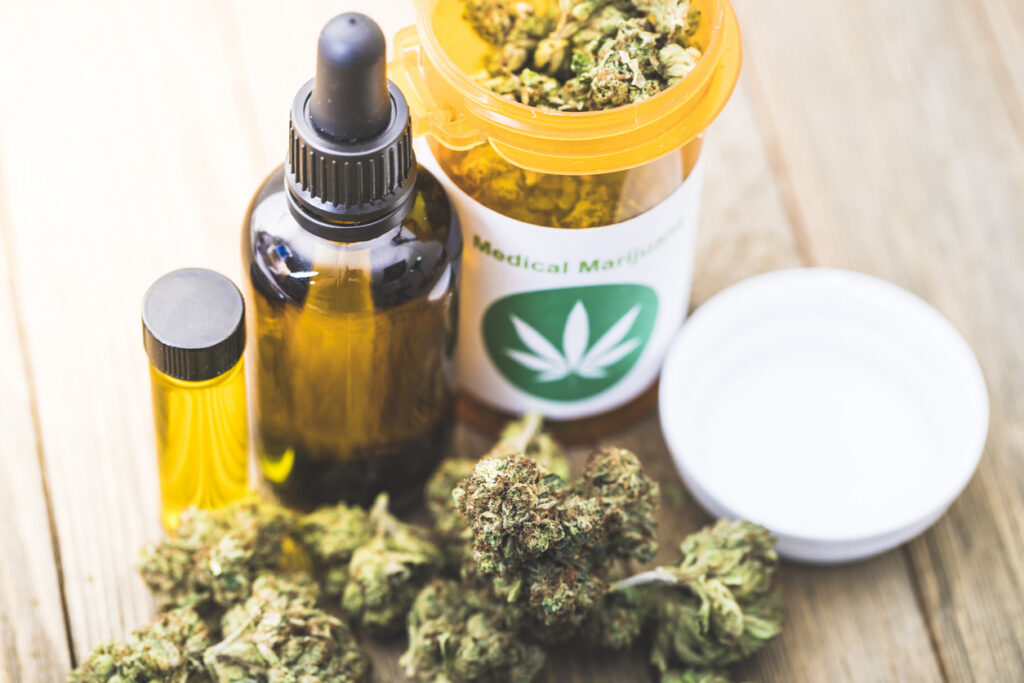
Cannabis flower is the classic form and is still very popular. It lets you try different strains, terpene profiles, and cannabinoid ratios.
Many people appreciate the flexibility flower offers, since dosage can be adjusted more easily compared to some other products.
Tinctures
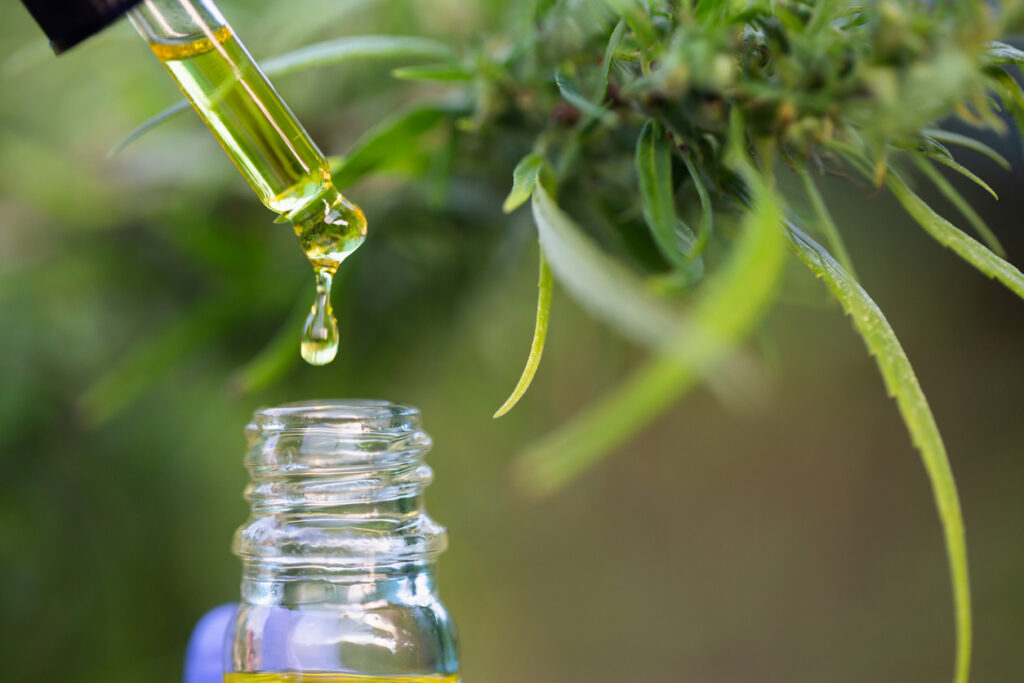
Tinctures are liquid cannabis extracts usually taken under the tongue. They allow for more precise dosing and often work faster than some edibles.
If you’re interested in THC, CBD, or a balanced mix for pain, tinctures make it easy to control your dose.
Edibles
Edibles include infused gummies, chocolates, and other foods. They tend to produce longer-lasting effects compared to inhaled cannabis.
Because edibles take longer to take effect, it is especially important to start with a low dose and allow time before consuming more.
Topicals
Topicals are cannabis-infused creams, balms, or lotions that you put directly on your skin. People often use them for targeted relief, and they usually don’t cause a high.
Some people use topicals for pain relief in specific spots, like joints or muscles.
Tips for First-Time Cannabis Users with Anxiety & Chronic Pain
If you’re new to cannabis or returning after a long break, a thoughtful approach can make a significant difference in your experience. Here are some practical tips to get started:
- Start with the lowest possible dose. Increasing slowly over time matters, especially with THC, which can worsen anxiety in larger amounts.
- Be patient. Effects from edibles and tinctures can take time to set in, and rushing the process is one of the most common causes of an uncomfortable first experience.
- Keep a journal or use a tracking app. Recording which products, doses, and terpene profiles work best makes it easier to build a consistent routine over time.
- Consider CBD-first products. For those sensitive to THC or managing anxiety as a primary concern, starting with CBD-forward options tends to be a gentler introduction.
- Consult with a healthcare provider. This step is worth taking before incorporating cannabis into a routine, particularly for those on medications or managing a diagnosed condition.
- Ask a budtender questions. Cannabinoid ratios, terpene profiles, onset times, and product recommendations for specific needs are all fair game.
- Avoid mixing cannabis with alcohol. Doing so, especially before finding the right dose, can intensify effects in unpredictable ways.
- Choose a comfortable, low-stress environment. First experiences tend to go more smoothly in a familiar, relaxed setting, particularly when anxiety is part of the picture.
How Kind Goods Can Help
Finding the right cannabis product for anxiety or chronic pain is a personal process, and it can feel tough without support. Kind Goods dispensaries are meant to make that process more approachable. Our locations are welcoming, stigma-free environments where education and transparency come before everything else.
We believe everyone should have access to wellness, and that begins with honest information and a shopping experience that fits your needs.
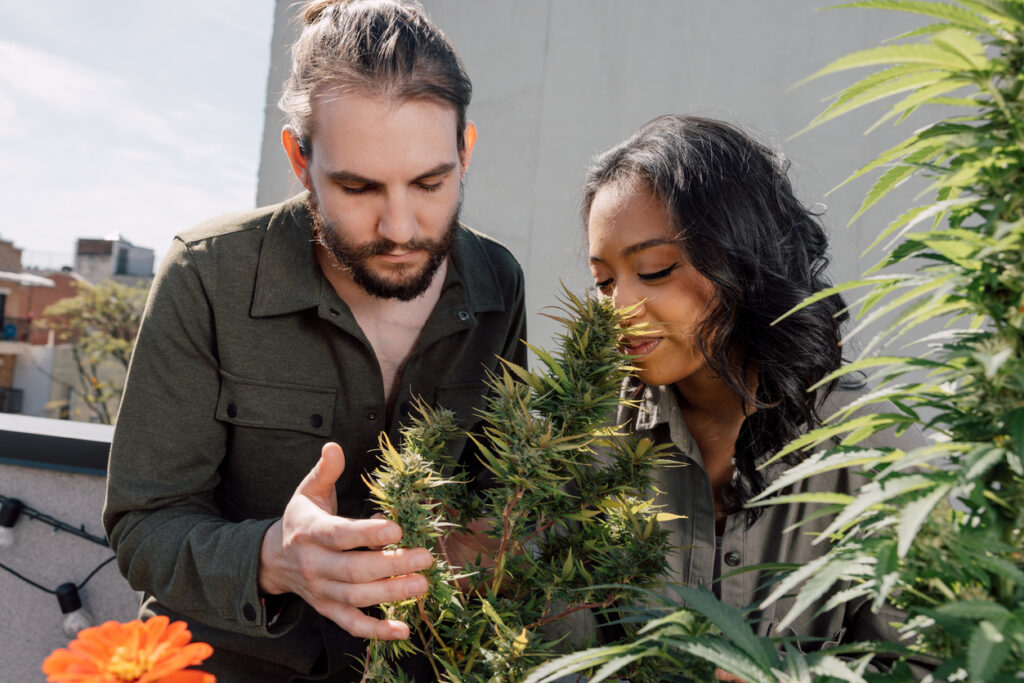
With our deli-style shopping, you can see and smell the flower yourself, browse a carefully chosen selection, and get one-on-one help from our knowledgeable budtenders. Whether you are dealing with pain, stress, anxiety, or just curious about how cannabis might help your wellness, our team is ready to guide you with care and confidence.
Cannabis as a Part of Your Wellness Journey
Cannabis may help people who experience anxiety, chronic pain, or both. Although research is still growing, there is strong evidence showing cannabis has real potential, especially for chronic pain and anxiety.
Responsible use remains the foundation of a good experience. Cannabis works best as part of a broader wellness strategy rather than a replacement for medical care. Starting low, staying consistent, and maintaining open communication with your healthcare provider gives you the strongest possible foundation for finding something that genuinely helps.
Ready to Discover What Cannabis Can Do for Your Pain and Anxiety?
Visit Kind Goods online or stop by one of our Missouri dispensary locations. Our team is here to help you find products that align with your wellness goals, with the education, transparency, and care that every customer deserves.
Disclaimer: This content is for educational purposes only. Cannabis affects everyone differently. Always consult with your doctor or healthcare provider before using cannabis, particularly if you have a diagnosed condition or are currently taking medications, to determine whether it is safe and appropriate for your health needs.