Cannabis dosing is not as complicated as it seems, but it does take a little understanding to get right. Comfort, safety, and enjoyment all come down to finding the amount that works for your body and your goals. The process of dosing gets easier with the right information at hand, so this guide is here for you. It breaks down cannabis dosing in plain terms, covering everything from how different products hit to why your body chemistry plays a bigger role than most people expect.
At Kind Goods, our goal has always been to make cannabis approachable, and that starts with helping customers feel confident before they even make a purchase.
Why Cannabis Dosing Is Not One-Size-Fits-All
Two people can try the exact same product at the exact same amount and have completely different experiences. That is completely normal; it is just how cannabis works.
Body chemistry, experience level, the type of product, and what you are hoping to feel all play a role in how cannabis affects you. There is no universal “correct” dose no matter your consumption method. Personalization matters more than perfection with cannabis. The goal is finding what works for you specifically, and remembering that looks different for everyone.
5 Factors That Influence Cannabis Dosing
Here are several things that shape how your body responds to cannabis. Understanding them will help you make smarter choices from the beginning.
1. Experience Level
Someone trying cannabis for the first time will likely feel the effects more strongly than someone who has been using it regularly for years. If you are new to cannabis, your body has not built up any familiarity with THC yet, which means smaller amounts go a long way.
2. Tolerance
Regular cannabis use builds tolerance over time; this means what felt like a noticeable dose six months ago may feel like very little today. Tolerance is not permanent, which means taking a break can reset your tolerance. Nevertheless, tolerance is worth keeping in mind when gauging how much cannabis to consume.
3. Body Chemistry
Height and weight are not the main factors here, despite what some people assume. Metabolism, individual sensitivity to THC, and even things like stress levels or sleep can all influence how cannabis feels on a given day. Two people with similar backgrounds, heights, and weights can still respond very differently to the same product.
4. Desired Effects
Someone looking for light relaxation needs a very different dose than someone managing significant pain or discomfort. Being clear about what you are hoping to feel when speaking with a budtender (or your physician) will help you and your budtender find a starting point that makes sense for your ultimate goal in using cannabis.
5. Product Type
How you consume cannabis changes everything about how it hits and how long it lasts. Flower, edibles, tinctures, and concentrates all behave differently in the body, and each one requires a different approach to dosing. Don’t worry if you’re not even sure what product type is best for your needs, just ask our virtual budtender before you ever step foot inside a dispensary.
The Golden Rule of Cannabis Dosing: Start Low & Go Slow
If there is one principle that applies across every product type and every experience level, it is this: start with a low dose and give it time before taking more.
For THC products, this matters even more. THC is the primary psychoactive cannabinoid in cannabis, and sensitivity to it varies widely from person to person. Starting low gives you a chance to understand how your body responds before increasing the amount.
The most common dosing mistake is not waiting long enough before concluding that nothing is happening. This is especially true with edibles, which can take anywhere from 30 minutes to two hours to take full effect. Taking more before the first dose has fully kicked in is how people end up having an uncomfortable, overwhelming experience.
Patience is the most practical tool in cannabis dosing. Give each dose enough time to show up in full effect before you decide it is not working.
Understanding THC vs. CBD When Dosing
Not all cannabinoids work the same way, and knowing the difference between THC and CBD helps you dose more intentionally.
- THC: It is the psychoactive cannabinoid in cannabis. It produces the “high” associated with cannabis use. Sensitivity to THC varies widely, and even small amounts can feel significant to someone who is new or has a low tolerance.
- CBD: It is non-intoxicating. It does not produce a high on its own and is generally considered more forgiving when it comes to dosing. Many people use CBD for a sense of calm or balance without the psychoactive effects of THC.
Balanced THC and CBD products are a popular choice for consumers who want some of the effects of THC with a smoother, more manageable experience. The CBD in these products can take the edge off the intensity of THC, making them a reasonable starting point for newer consumers. Make sure you read cannabis product labels to make sure you know what cannabinoids are present in the product you’re considering.
You also have to remember that higher THC does not automatically mean better results. A product with a strong terpene profile and moderate THC will often deliver a more satisfying experience than something with maximum THC and little else going for it.
Cannabis Dosing by Product Type
Dosing is not the same across every product. The method of consumption changes how quickly you feel effects, how intense they are, and how long they last. Here is what to know about each:
Flower & Inhalation
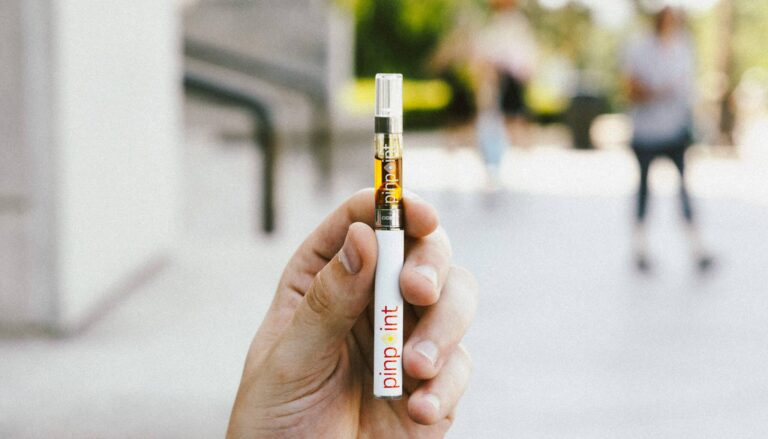
Flower has one of the fastest onsets of any cannabis product. Effects typically begin within a few minutes of inhalation, which makes it easier to gauge how you are feeling and adjust from there.
Due to fast onset, flower is actually a practical option for beginners who want to stay in control of their experience. You can take a small amount, wait a few minutes, and decide whether you want more. The effects also tend to be shorter than those of edibles.
Edibles
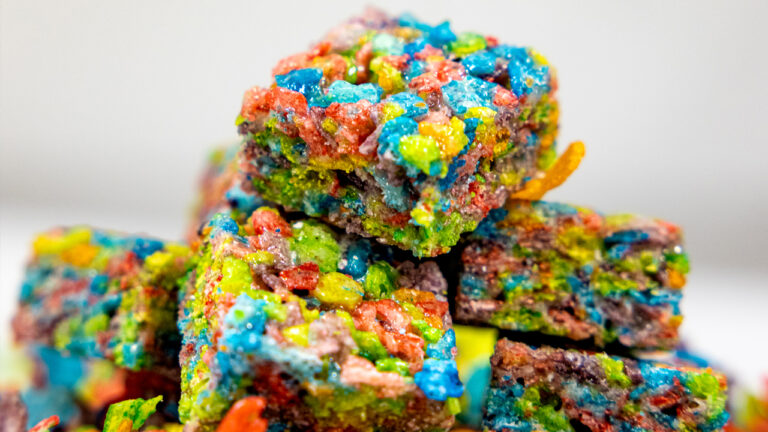
Edibles are processed through the digestive system, which means the onset is significantly slower. Depending on your metabolism and whether you have eaten recently, effects can take anywhere from 30 minutes to 2 hours to fully take effect.
This slow onset is why dosing precision matters more with edibles than with any other product type. Start with a low dose, note the time, and wait the full window before considering more. Edibles also tend to produce longer-lasting effects than inhalation, so what you take stays with you for a while.
Tinctures & Sublinguals
Tinctures are liquid cannabis extracts typically taken by placing drops under the tongue. Onset is faster than with edibles but slower than with inhalation, usually between 15 and 45 minutes.
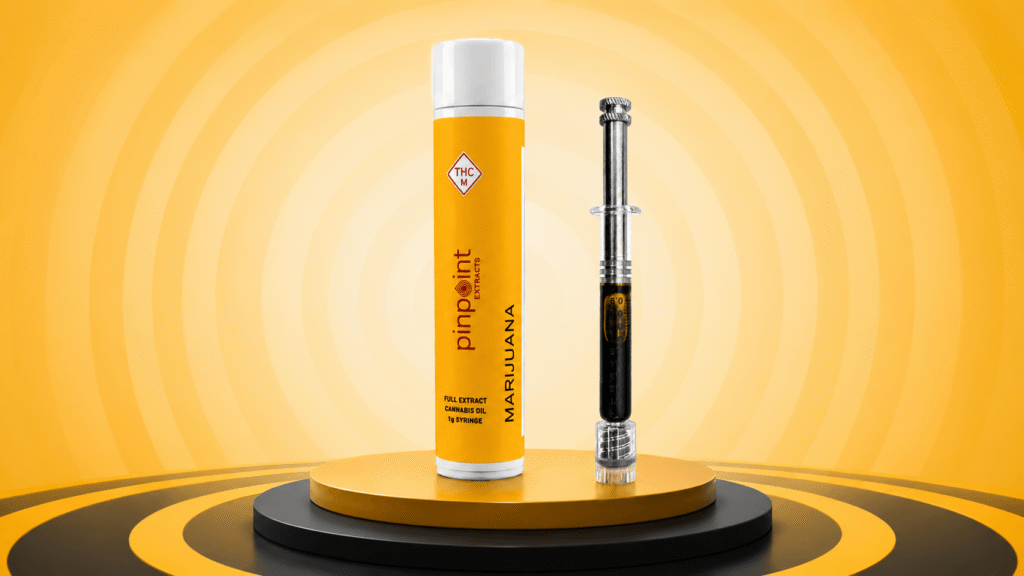
The measurable format of tinctures makes them a good option for people who want consistent, repeatable dosing. You can track exactly how much you are taking and adjust gradually over time, which is useful for building a routine.
Concentrates
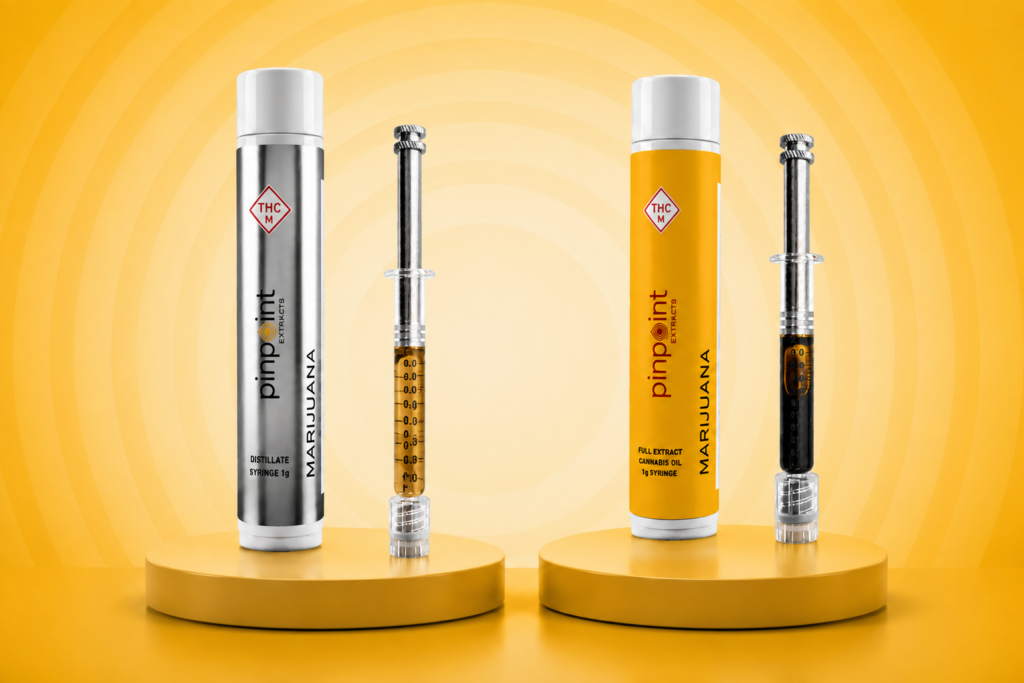
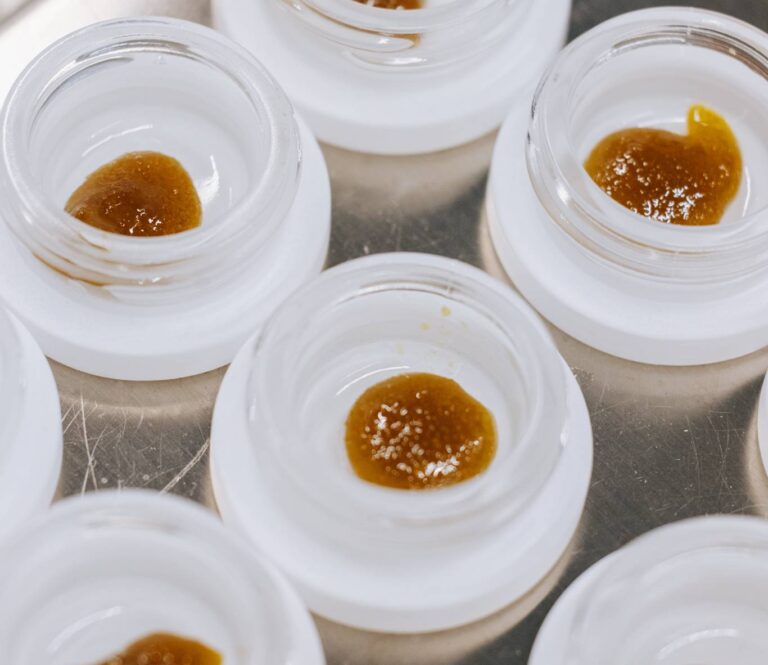
Concentrates are highly potent cannabis products with THC levels that can be significantly higher than flower. A small amount goes a long way, and the effects can be intense.
Concentrates are best suited for experienced cannabis consumers who already have a solid sense of their tolerance. If you are new to cannabis, it is worth building experience with flower or other lower-potency products before trying concentrates. When you are ready, a budtender can help you understand the options and how to approach them carefully.
8 Signs You Have Taken the Right Amount (or Too Much)
Knowing what to look for helps you stay comfortable and make adjustments if needed.
Signs the dose is working well:
- A sense of relaxation or calm
- Mild euphoria or improved mood
- Physical comfort
- Mental clarity or creativity, depending on the strain
Signs of overconsumption:
- Dizziness or disorientation
- Increased anxiety or racing thoughts
- Fatigue or heaviness
- General discomfort
If you experience any of the signs above, the most important thing to know is that they are temporary. Cannabis overconsumption is uncomfortable, but it passes. Find a calm, comfortable space, stay hydrated, and give it time. Having a trusted person nearby can also help if you are feeling anxious.
Common Cannabis Dosing Myths
Some of the most common cannabis dosing mistakes come from misinformation that gets repeated often enough to feel true. Here are three that are worth addressing directly:
- “More THC means better results.” THC percentage is one factor among many. Terpenes, cannabinoid balance, product freshness, and your own body chemistry all shape the experience. Chasing the highest THC number is not a reliable strategy for finding a product you will enjoy.
- “Experienced users do not need to dose carefully.” Even regular cannabis consumers benefit from being intentional about dosing, especially when trying a new product or a different consumption method. Tolerance does not make you immune to overconsumption.
- “If you do not feel it right away, take more.” This one causes the most problems, particularly with edibles. Slow onset does not mean the dose is not working. Taking more before the first dose has fully arrived is one of the most common ways people have a negative experience. Wait the full window before making any adjustments.
5 Tips for Finding Your Ideal Cannabis Dose
Finding what works for you takes a little time, but these habits make the process easier.
- Keep a simple dosing journal. Note the product, the amount, the consumption method, and how you felt. Patterns will show up quickly and help you make better choices.
- Try one product at a time. Mixing products or methods early on makes it harder to know what is actually affecting you. Start with one thing and get a feel for it before adding anything else.
- Avoid mixing methods early on. Combining inhalation with an edible, for example, makes it very difficult to understand what is contributing to how you feel.
- Ask your budtender questions. That is what they are there for. Bringing specific questions about your goals and experience level gives them the information they need to point you toward the right starting point.
- Adjust slowly over time. If a dose feels too mild, increase it gradually rather than making a large jump. Small adjustments give you more control over where you land.
How Kind Goods Helps Customers With Cannabis Dosing
At Kind Goods, no question is a bad question. Dosing is one of the topics our budtenders cover most often, and we take it seriously because getting it right matters to your experience.
Our team is trained to help customers think through dosing based on their specific goals, experience level, and the products they are considering. That means real guidance, not generic answers.
Product labeling at Kind Goods is transparent and accurate. Our budtenders can walk you through what the numbers on a label actually mean, so you leave with a clear understanding of what you are taking home.
We’re a stigma-free space. You do not need to have everything figured out before you walk in. Asking questions is exactly what we are here for!
The Right Steps Lead to the Right Dose
Cannabis dosing is not something you figure out in one session; it builds over time, and that is perfectly fine. Every person responds differently, and the consumers who have the best experiences are usually the ones who approach it with patience rather than rushing to find a fixed answer.
Start low, pay attention to how you feel, and adjust gradually. Confidence comes from making informed choices, not from getting everything right on the first try. The more you learn about how your body responds, the easier it gets.
Visit one of our Kind Goods dispensaries or chat with our virtual budtender to get personalized guidance on cannabis dosing. We are here to help you find a starting point that makes sense for you.
Cannabis affects everyone differently. Always consult with your doctor or healthcare provider before using cannabis to determine if it is safe and appropriate for your individual health needs.