
Terpenes are one of the most important and often misunderstood parts of cannabis. While many consumers focus on THC percentage or strain names, terpenes play a major role in how cannabis tastes, smells, and feels. In other words, these compounds shape the full experience. They influence whether a product feels calming or energizing, whether it carries citrus, earthy, or floral notes, and how enjoyable it is overall.
This guide helps you understand cannabis terpenes in a clear, practical way. At Kind Goods, education is part of the experience, and learning how terpenes work can help you choose products with more confidence and clarity.
What Are Cannabis Terpenes?
Terpenes are natural aromatic compounds found in cannabis and many other plants. They are responsible for the distinct scents you notice when you smell cannabis, as well as the flavors you experience when consuming it.
They exist in nature far beyond cannabis. You will find them in citrus fruits, herbs like basil, and spices like cloves. In plants, terpenes help protect and support survival by deterring pests and attracting pollinators.
In cannabis, they work alongside cannabinoids like THC and CBD, but they serve a different purpose. Cannabinoids interact directly with the body’s endocannabinoid system (ECS), while terpenes influence aroma, flavor, and the overall character of the experience.
How Terpenes Affect Flavor & Aroma
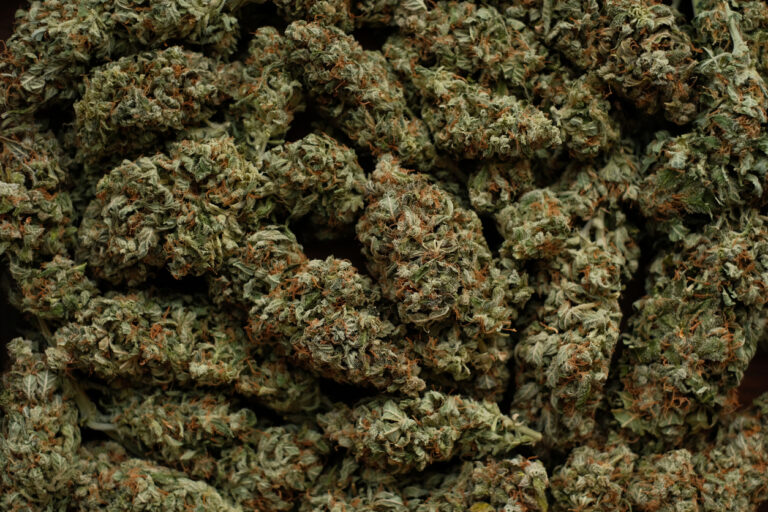
Cannabis has a wide range of aromas because each strain contains a unique combination of terpenes. These combinations create recognizable scent profiles such as citrus, pine, floral, earthy, or sweet.
For example:
- Citrus aromas are often linked to limonene
- Pine scents come from pinene
- Floral notes are associated with linalool
- Earthy or musky tones often come from myrcene
These aroma compounds are not just about smell. They shape how enjoyable a product feels from the moment you open the container to the final inhale.
Understanding terpene profiles can help you move beyond guessing based on strain names and instead choose cannabis based on the sensory experience you actually prefer.
How Terpenes Influence Cannabis Effects
Terpenes do more than affect flavor; they also influence how cannabis feels through what is commonly known as the entourage effect.
The entourage effect describes how cannabinoids and terpenes work together to shape the overall experience. This is why two products with similar THC levels can feel completely different.
Terpenes help guide the direction of an experience in a few key ways:
- Relaxation vs. energy: Some terpene profiles lean more calming, while others feel brighter and more energizing
- Focus vs. sedation: Certain terpenes are associated with clarity and alertness, while others support a slower, more restful pace
- Mood and stress response: Terpenes can influence how balanced, settled, or uplifted an experience feels
Cannabis interacts with everyone differently, but terpene profiles offer a more reliable way to understand what kind of experience to expect compared to THC percentage alone.
Common Cannabis Terpenes & Their Effects
Here’s a rundown of some of the most common cannabis terpenes, and what their typical effects look like:
Myrcene
Myrcene is one of the most common terpenes in cannabis. It has an earthy, musky aroma often compared to cloves or damp soil. This terpene is commonly associated with calming, relaxing effects and is often found in strains chosen for evening use or unwinding at the end of the day.
Limonene
Limonene has a bright citrus aroma similar to lemons or oranges. It is widely recognized for contributing to uplifting, mood-forward experiences. Many consumers gravitate toward limonene-rich products when they want something that feels light, positive, and energizing.
Linalool
Linalool carries a soft floral scent, similar to lavender. It is commonly associated with relaxation and a more settled, calming experience. This terpene is often found in products chosen for slower-paced moments or when easing into rest.
Pinene
Pinene has a crisp, pine-like aroma that feels fresh and clean. It is often described as promoting alertness and clarity. Products high in pinene are commonly chosen for daytime use or activities that benefit from focus.
Caryophyllene
Caryophyllene stands out for its spicy, peppery scent. It is unique because it can interact with cannabinoid receptors in the body. This terpene is often associated with a balanced, grounded experience and is found in many well-rounded terpene profiles.
Humulene
Humulene has an earthy, woody aroma and is also found in hops. It often appears in cannabis with a more subtle, grounded scent profile. It is commonly associated with a balanced and steady experience.
Terpinolene
Terpinolene has a complex aroma that can include floral, citrus, and herbal notes. It is less common but often found in unique, energetic profiles. This terpene is frequently associated with uplifting and creative experiences.
Ocimene
Ocimene has a sweet, herbal scent with light citrus notes. It contributes to bright, fresh terpene profiles, and is often associated with a more active and engaging experience.
Terpenes vs. THC: Why Percentages Don’t Tell the Whole Story
THC percentage is only one part of the cannabis experience. While THC influences potency, it does not fully determine how a product will feel.
Terpenes add context to that potency. A high-THC product with calming terpenes can feel very different from a high-THC product with energizing terpenes. This is why looking at terpene profiles and lab results provides a more complete understanding than relying on THC numbers or strain names alone.
Using Terpenes to Choose the Right Cannabis Product
Learning how to read terpene labels can make a noticeable difference in your experience.
When reviewing a product:
- Look at the dominant terpenes listed in lab results
- Pay attention to aroma descriptions
- Ask questions about how those terpenes typically feel
You can match terpene profiles to your goals:
- For relaxation: look for myrcene or linalool
- For energy or mood: consider limonene or terpinolene
- For focus: explore pinene-rich options
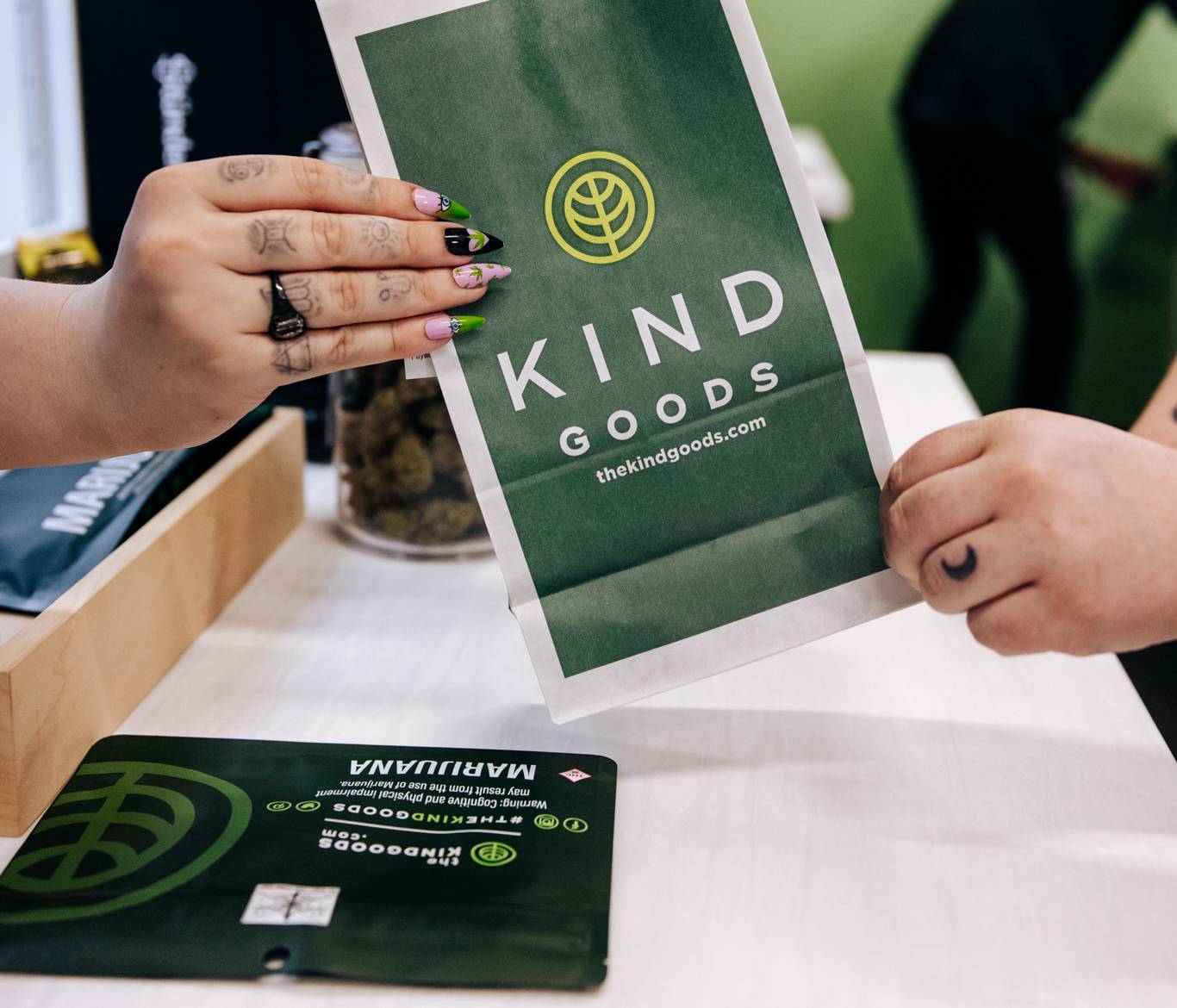
At Kind Goods, this process is made easier through a hands-on approach. Our deli-style flower experience allows you to see and smell products before choosing, giving you a direct connection to terpene profiles rather than relying on labels alone.
How Kind Goods Can Help You Learn About Terpenes
Education is part of every visit at Kind Goods. Budtenders are trained to help you understand terpene profiles in a way that feels approachable and practical.
Instead of guessing, you can:
- Ask questions about terpene content and effects
- Compare aromas in real time through the deli-style setup
- Explore a wide selection with clear, transparent information
This hands-on experience gives you more confidence in your choices and helps you build a better understanding of what works for you.
Kind Goods is built around accessibility, fair pricing, and a welcoming environment where learning about cannabis feels natural and comfortable. You can also ask anything through our expert virtual budtenders or visit any of our dispensary locations to continue learning in person.
Understanding What You’re Choosing
Terpenes are a key part of what makes each cannabis experience unique. They influence flavor, aroma, and how a product feels, often more than THC percentage alone.
Understanding cannabis terpenes allows you to move beyond guesswork and choose products with intention. Whether you are looking for relaxation, focus, or balance, terpene profiles offer a clearer path to finding what works for you.
Visit Kind Goods or browse our menu online to explore terpene-rich cannabis products and experience the difference for yourself.
Disclaimer: Cannabis affects everyone differently. Always consult with your doctor or healthcare provider before using cannabis to determine if it is safe and appropriate for your individual health needs.